
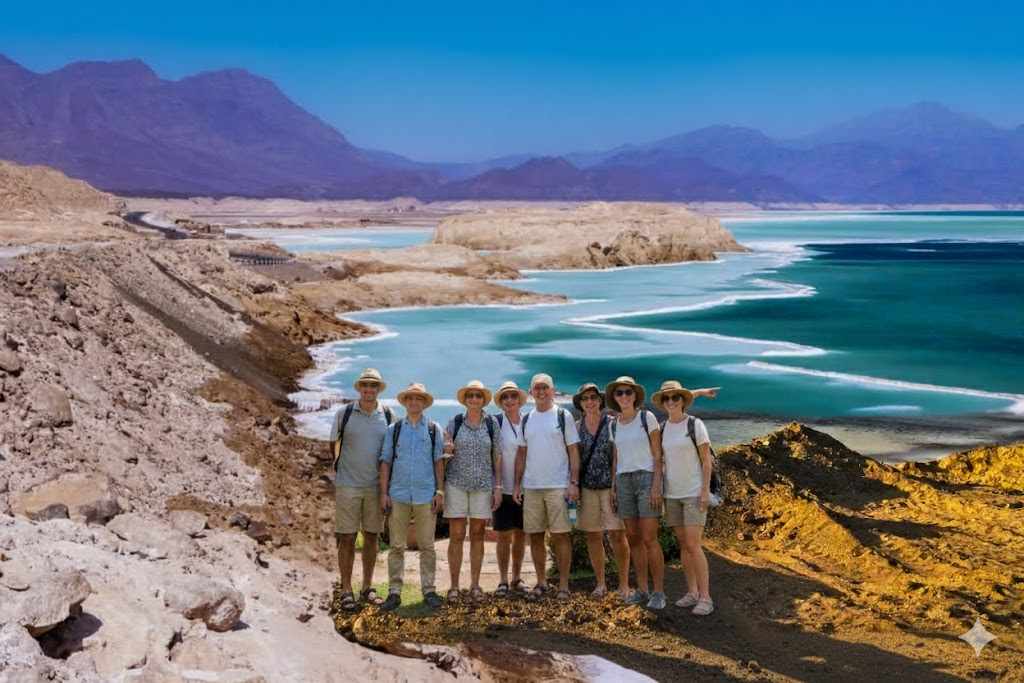
Are you a Zimbabwean national with plans of travelling to the awesome scenery of Djibouti? No matter where you are going to the salt lakes in Lac Assal, business in the fast-paced capital or family, the visa process is the first step.

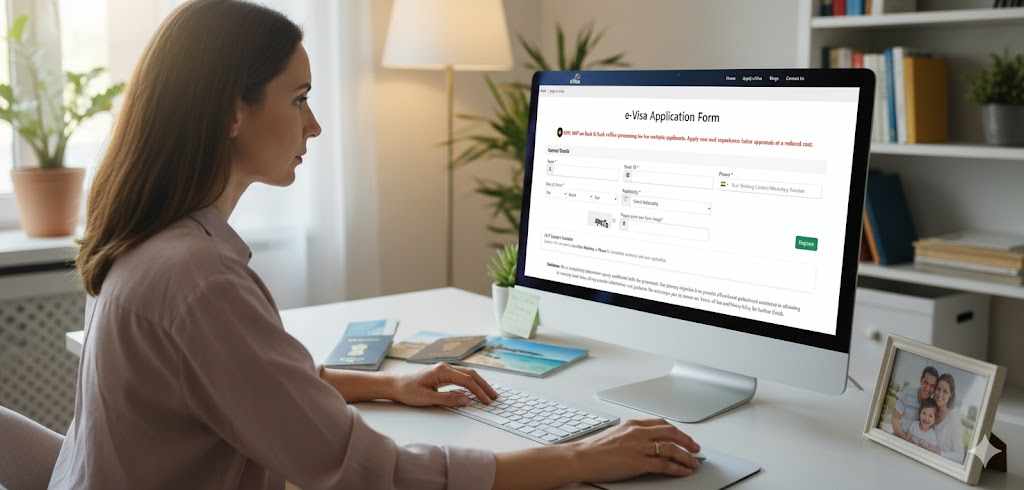
With the help of the modern electronic system, a permit has never been so easily obtained. Here is everything you need to know about the Djibouti eVisa for Zimbabwe citizens, ensuring your travel plans remain on track.
Do Zimbabwe Citizens Need a Visa for Djibouti?
Yes. The people of Zimbabwe have to get a visa before travelling to Djibouti. Most of the nationalities may seek visa-on-arrival services, though the surest and the best approach to the Zimbabwean people is the Djibouti eVisa. This online permission will enable you to ensure your entry pass is fixed online even before you are out of Harare or Bulawayo, so you do not have to worry about being denied entry to the airport.
What are the Different Djibouti eVisa Types Available?
There are four main eVisa options depending on the type of your trip:
Transit eVisa: Perfectly suited to tourists who are heading to Djibouti as a transit country (valid up to short-term visits).
Tourism eVisa: The basic option of the people who explore the natural wonders and landmarks of the country.
Family / Social Visit eVisa: It is specifically aimed at visiting relatives or friends who happen to reside in Djibouti.
Business eVisa: This is aimed at business people who are attending a business meeting or conference or seeking business opportunities.
How Long is the Djibouti eVisa Processing Time?
Timing is everything when planning an international trip. Depending on your urgency, you can choose from three processing speeds:
Normal Processing: 4 – 7 Working Days (Best for early planners).
Rush Processing: 3 – 5 Working Days (For those needing a quicker turnaround).
Super Rush Processing: 2 – 4 Working Days (The fastest option for last-minute travel).
Djibouti eVisa Document Requirements for Zimbabweans

To ensure a successful Djibouti Visa application, you must have the following documents ready in digital format:
Valid Passport: This should be a valid passport that has not expired within the entry date.
Passport Photograph: A recent and high quality digital image, with a plain background.
Travel Itinerary: Information about the flights that you are making and the dates of the travel.
Evidence of Accommodation: Hotel booking or an invitation letter of your host.
Evidence of financial ability: Diminishes your capability to sustain yourself in your stay (bank statements etc.).
Evidence of Purpose of Visit: Invitation letters of business or tourist activities.
Medical Clearance: Relevant health certifications as needed by the existing Djiboutian regulations.
What are the Healthcare Facilities for Tourists in Djibouti?
As Djibouti is building its tourism infrastructure, health amenities are mainly found in the Djibouti City. The big hospitals such as the Hôpital Général Peltier offer emergency services, yet the privately run clinics tend to be quicker with the international traveler.
The purchase of the all-inclusive travel insurance covering medical evacuation is highly recommended to Zimbabwean citizens. Pharmacies are common in the capital in the case of minor problems, however make sure you bring home needed prescriptions because certain brands might be difficult to get.
Does Djibouti Have Ride-Hailing Apps Like Uber?
At the moment, the world's ride-hailing giants such as Uber or Bolt are not present in Djibouti. Nevertheless, the taxi network in the area is strong. In a taxi, it is easy to recognize the taxi because of the green and white color.
To have a more contemporary experience, the traveler can use the local option or hire a private transportation service at the age of respectable hotels. It is always better to settle on the price before making a trip because most of the local taxis do not have meters.
What Should I Do if I Lose My Passport or Documents in Djibouti?
Losing your travel documents can be stressful, but there is a clear procedure to follow:
File a Police Report: Immediately visit the nearest police station to obtain a formal report. This is crucial for your insurance and for obtaining temporary travel documents.
Contact Your Consulate: Since Zimbabwe may not have a resident embassy in Djibouti, you should contact the nearest Zimbabwean diplomatic mission (often located in Ethiopia or Egypt) for an Emergency Travel Document (ETD).
Notify the Visa Agent: Reach out to online.djibouti-evisa.com if you lose your printed eVisa so they can re-send the digital copy to your email.
What are the Rules for Traveling with Children (Minors)?
Djibouti has specific rules for the safety of young travelers. If you are traveling with a child:
Separate Applications: Each child must have their own individual eVisa, even if they are listed on a parent's passport.
Birth Certificates: Carry a certified copy of the child’s birth certificate.
Consent Letters: If a minor is traveling with only one parent or a legal guardian, a notarized letter of consent from the non-traveling parent is often required at the border to prevent delays.
Age Requirements: The system treats all applicants with their own passport as individual travelers, regardless of age.
How Much Does the Djibouti eVisa Cost?
The cost varies based on the visa type and the processing speed you select. It is important to note that the fee covers the administrative processing by the Djiboutian authorities. Always check the live calculator on the application portal for the most up-to-date pricing.
What is the Refund Policy for eVisa Applications?
Before applying, it is vital to understand the financial terms. All fees paid for a Djibouti eVisa application are non-refundable. Once the payment is processed and the application is submitted to the government, the Djibouti Visa Fee cannot be returned, even if:
The application is rejected by the authorities.
The applicant decides to cancel the trip.
The applicant withdraws the application after submission.
Tip: Always double-check your passport number and name spelling before hitting "Submit" to avoid costly errors.
Why Choose online.djibouti-evisa.com for Your Application?
In a sea of online options, online.djibouti-evisa.com stands out as a specialized partner for Zimbabwean travelers. Here is why:
Expertise: Deep knowledge of Djibouti’s specific immigration requirements.
Personalized Assistance: A dedicated team guides you through every step.
Streamlined Process: A user-friendly interface designed to save you time.
24/7 Support: Reach out via Live Chat, WhatsApp, or Phone anytime you have a question.
Transparent Pricing: No hidden fees—what you see is what you pay.
Is the Djibouti eVisa a Multiple Entry Visa?
As a rule, Djibouti eVisa is a single entry. Assuming that you will leave Djibouti and will re-enter (say, a side trip to Ethiopia), you might be required to request a new visa or even look into certain possibilities of multi-entry which are provided at the time of your request.
Common Reasons for Djibouti Visa Rejection
To prevent the denied status, make sure that your passport photo is clear, your passport is not running out of days, and you have the Proof of Accommodation that is similar to your Travel Itinerary. The majority of the rejections occur because of mere clerical mistakes or inappropriate dates.
What Happens After My eVisa is Approved?
After being approved, your eVisa will be sent to your email account in PDF format. You should have a physical copy of these that you carry with you along with your passport. The immigration officer will scan your eVisa printed document and stamp your passport upon entry to the Djibouti Ambouli International Airport.
Conclusion: Ready for Your Djibouti Adventure?
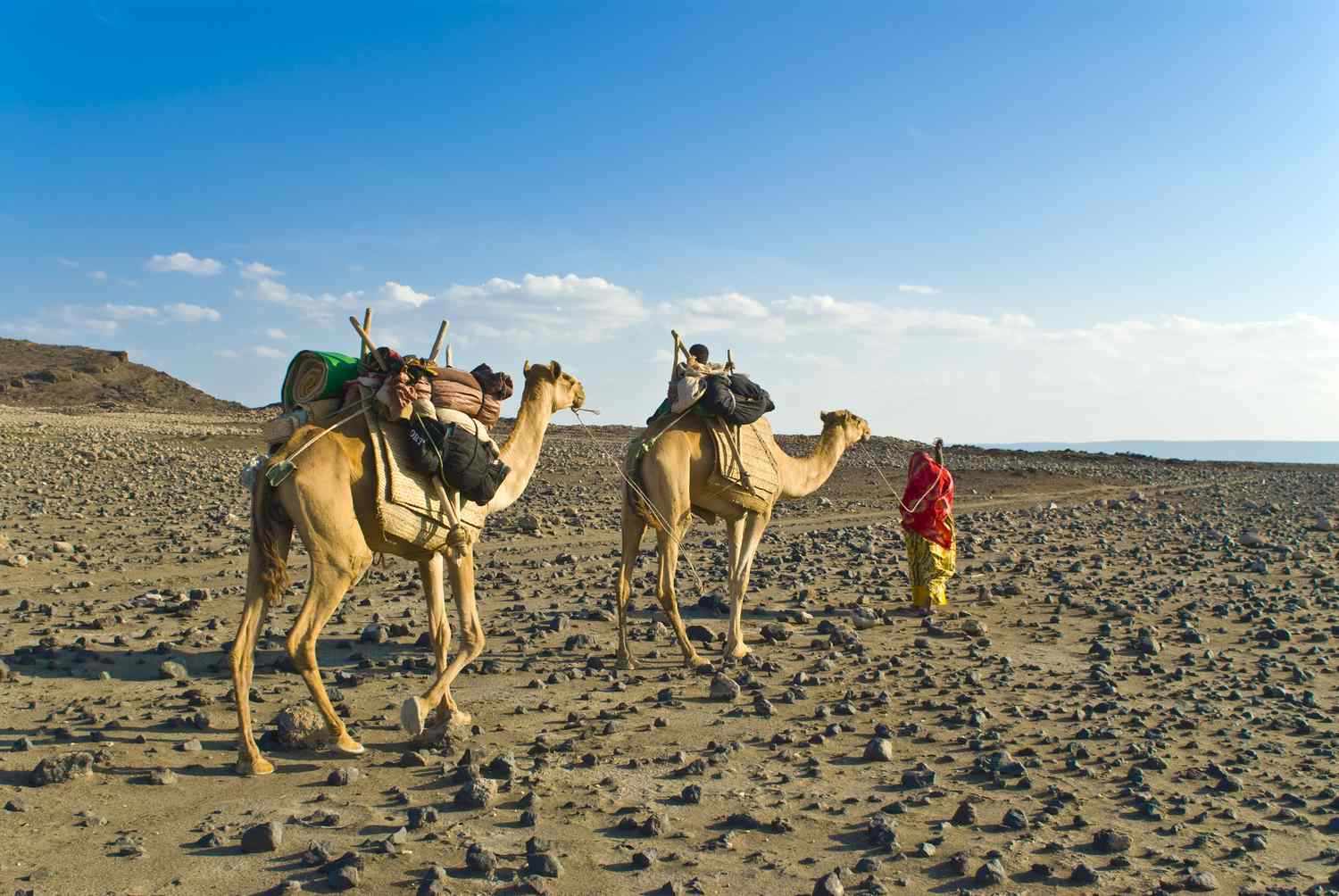
Djibouti is a country that conforms to an unusual mixture of volcanic features, the perfect diving sites, and a rich culture. Using a professional agent when acquiring your eVisa, you will remove the element of guesswork and be able to concentrate on the important things, that is, have fun during your visit.

Write a comment ...