
Planning a trip from Freetown to Kinshasa? Whether you are traveling for business, visiting family, or exploring the heart of the continent, getting your paperwork sorted is the first step. For citizens of Sierra Leone, the rules for entering the Democratic Republic of the Congo (DRC) can seem strict, but the online system has made things much clearer.

To help you prepare, we have answered the most important questions travelers ask about the DRC eVisa for Sierra Leone Citizens, including new details on money and insurance that you might not have thought about.
Do Sierra Leone citizens need a visa for the DRC?
Yes. Even though we are on the same continent, Sierra Leone passport holders must have a visa to enter the Democratic Republic of the Congo. You cannot simply show up at the border; you need to have your entry permission secured before you travel.
What type of passport is required for the application?

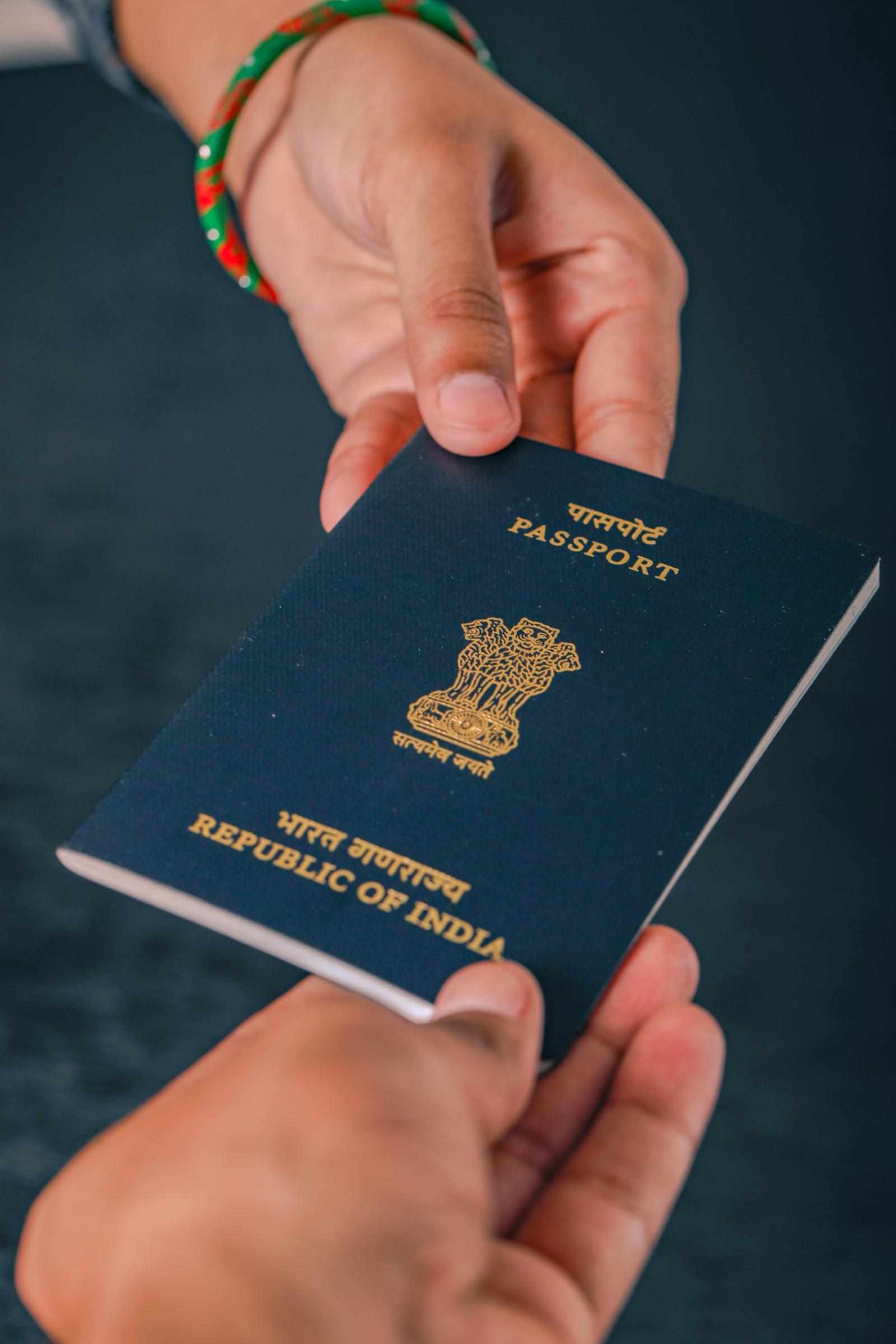
You need a standard valid passport, but there are specific conditions. Your passport must have at least two blank pages for immigration stamps. Most importantly, it must remain valid for at least 6 months past your return date. If your passport is expiring soon, you must renew it before you try to apply for the visa, or you will be rejected.
Is travel insurance mandatory for entry?
While travel insurance is not always strictly demanded during the visa application phase, it is highly recommended for your actual entry. The healthcare costs in the DRC can be high for travelers, and facilities in remote areas are limited. Having a policy that covers medical evacuation and emergency treatment is a safety net that most experienced travelers to the Congo consider essential.
Can I get a Transit Visa if I am just passing through?
Yes. If you are not staying in the DRC but are catching a connecting flight or crossing the border to a neighboring country (like Congo-Brazzaville or Angola), you can apply for a Transit Visa. This is different from the standard tourist visa. It is valid for a shorter period (usually 7 days) and is designed strictly for travelers moving through the territory without a long stay.
Will I be able to find ATMs easily in the DRC?
This is a critical practical question. You should not rely solely on ATMs. While you can find them in major cities like Kinshasa, Lubumbashi, or Goma, they can be unreliable or run out of cash. Many ATMs dispense US Dollars or Congolese Francs. Outside of big hotels and major cities, card payments are rarely accepted. It is wise to travel with enough cash (USD is widely accepted) to cover your immediate needs.
What documents do I need to prepare for the application?
You do not need a suitcase full of papers, but the few documents you do need must be perfect. Based on current regulations, you must provide:
A Valid Passport: It must be valid for at least 6 months past your return date.
A Photograph: A clear, recent color photo of yourself. It must look professional and meet standard identification dimensions.
Professional Papers: If your trip is for work or business, you need letters from your employer or your business contacts in the DRC to prove your intent.
What are the processing speeds available?
The processing time depends on how much of a rush you are in. Congo-evisa.com offers three options:
Standard Processing: Takes 11 - 13 Working Days. This is the best choice if you are planning early.
Rush Processing: Takes 8 - 11 Working Days. Good if you are a few weeks out.
Super Rush Processing: Takes 5 - 8 Working Days. This is for urgent trips, but we always recommend applying earlier if possible.
What if I need my visa urgently?
For those last-minute trips or emergencies, there is a Super Rush Processing Time. This is the fastest service available, taking just 5 to 8 Working Days. While it is quick, we still advise applying as early as possible to account for any unforeseen delays.
Why is using an agent safer than doing it alone?
The main benefit is Expert Application Checking. When you apply through a specialized service, trained reviewers check your form before it goes to the government. They look for common mistakes—like dates written in the wrong format or names that don't match the passport exactly. Fixing these small errors before submission prevents your visa from being denied.
Do I really need an employer letter for business travel?

Yes, you do. If you select "business" as your reason for travel, immigration officials want to see proof. This is where the "Professional Papers" come in. A simple letter from your company explaining the trip, or an invitation from the DRC company you are visiting, satisfies this requirement.
What are the most common reasons for visa rejection?
Most people get rejected for simple administrative errors, not because they are ineligible. Common reasons include:
Passports that do not meet the "6-month validity" rule.
Uploading a blurry or low-quality photograph.
Inconsistent spelling of names (e.g., leaving out a middle name that is on the passport).
Missing information in mandatory fields.
Do I need to physically mail my passport?
No. The eVisa process is entirely digital. You will upload scans of your documents. You keep your physical passport with you. Once the visa is approved, you will receive a document to print out. You present this printout along with your passport and Yellow Fever card when you arrive at the airport in the DRC.
Click here to explore our blog and get the latest details on DRC eVisas.
DRC eVisa for Austria Citizens
DRC eVisa for Azerbaijani Citizens
DRC eVisa for Bahamas Citizens
DRC eVisa for Bahraini Citizens
DRC eVisa for Bangladeshi Citizens
DRC eVisa for Barbados Citizens
Democratic Republic of Congo E-visa for Belgium Citizens
Democratic Republic of Congo eVisa Guide for Brunei
Democratic Republic of Congo eVisa for Travellers from Bulgaria
DRC eVisa for Armenian Citizens







Write a comment ...